
Selling Commercial Property
The Ultimate Guide on How to Sell Commercial Real Estate Successfully
Learn how to sell commercial real estate successfully. Discover the core documents needed to sell commercial property and compare off-market cash sales vs brokers.
Introduction
Selling commercial real estate is very different from selling a residential property. Commercial buyers are not making emotional decisions based on curb appeal alone. They are reviewing income, leases, expenses, tenant risk, location strength, property condition, and the likelihood that the asset will perform after closing.
For private owners, family offices, and portfolio managers, learning how to sell commercial real estate starts with preparation. The stronger your financials, documents, and positioning are before the property goes to market, the better your chances of protecting your equity, avoiding delays, and closing with confidence.
Whether you are selling a retail strip center, medical office building, multifamily property, industrial asset, or an entire portfolio, the process comes down to three things: understanding value, preparing the right documents, and choosing the right sale path.
Start With a Realistic Commercial Property Valuation
The first step in selling commercial property is understanding how buyers will value the asset.
Unlike residential real estate, commercial property value is usually tied to income. Buyers review the property's net operating income, lease structure, expense history, tenant quality, and market cap rates. If the numbers are unclear, inconsistent, or unsupported, buyers will usually lower their offer to account for risk.
Before you try to sell commercial property, organize the financial story behind the asset. A buyer should be able to clearly see how the property makes money, what it costs to operate, and what risks may affect future income.
At a minimum, prepare:
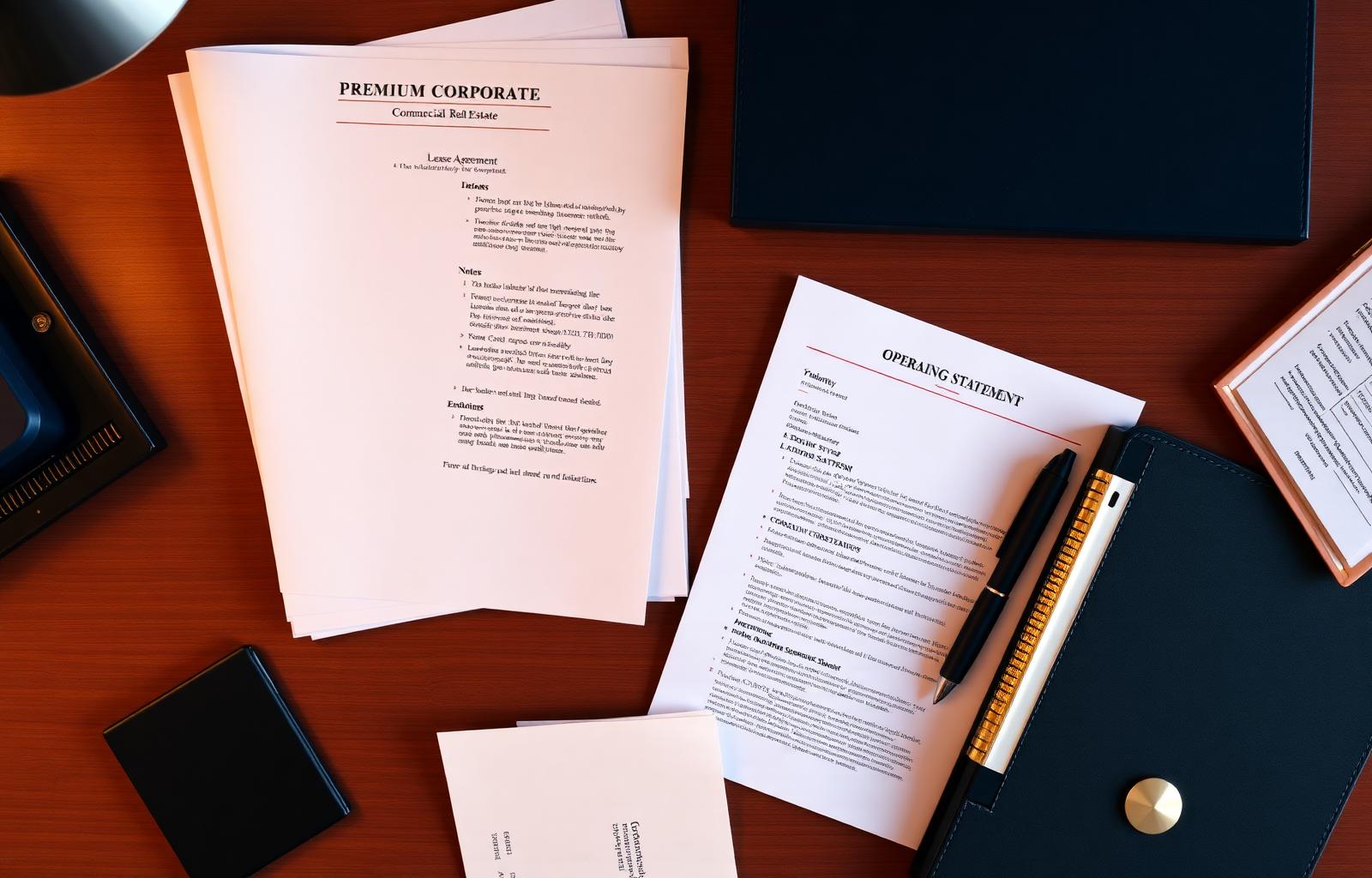
- A trailing twelve-month operating statement
- Current rent roll
- Lease agreements and amendments
- Property tax records
- Insurance costs
- Utility expenses
- Maintenance and repair history
- Any recent capital improvements
The cleaner your numbers are, the easier it is for buyers to underwrite the property quickly. Clean documentation can also reduce unnecessary price reductions during due diligence.
Use the cap rate calculator to review how income and cap rate assumptions may affect estimated value.
Documents Needed to Sell Commercial Property
The speed of a commercial property sale often depends on how prepared the seller is before conversations begin.
Buyers will ask for documents. Lenders will ask for documents. Attorneys, title teams, and due diligence teams will also need information. If these items are not ready, the process slows down and the buyer may begin to question the strength of the deal.
Rent Roll
Your rent roll should show each tenant, the space occupied, current rent, lease start date, lease expiration date, security deposit, and any known renewal options.
For multifamily properties, the rent roll should also show unit numbers, unit type, current rent, market rent, occupancy status, and delinquency if applicable.
Operating Statements
Most buyers want to review at least the last three years of operating performance, plus a trailing twelve-month statement. These records should include property taxes, insurance, repairs, maintenance, management fees, utilities, and other operating expenses.
Avoid blending personal expenses, unrelated business expenses, or unclear owner add-backs into the property financials. Buyers will usually discount anything they cannot verify.
Lease Agreements
Every executed lease should be organized and easy to review. Include amendments, extensions, renewal rights, tenant options, guarantees, and any right of first refusal records.
For net lease assets, the lease is one of the most important documents in the entire transaction. Tenant credit, lease term, rent escalations, and responsibility for expenses can all affect value.
Property Reports
Gather any recent environmental reports, roof inspections, HVAC maintenance records, structural reports, surveys, zoning information, and insurance claim history.
If the property has known physical issues, it is better to prepare the explanation early than let the buyer discover it late in the process.
Choose the Right Way to Sell Commercial Real Estate
There are several ways to sell commercial real estate, but most owners choose between a traditional broker listing and a direct off-market sale.
The best option depends on your goals. Some owners want maximum public exposure through channels like the Realtor commercial property marketplace. Others care more about speed, privacy, certainty, and avoiding a drawn-out process.
Option 1: Traditional Brokerage Listing
A commercial broker can help expose your property to a wider buyer pool. This can be useful for certain assets, especially if the property is highly marketable and the owner has time to run a full sale process.
A traditional listing may include a broker opinion of value, marketing package, buyer outreach, property tours, letters of intent, and several rounds of negotiation.
However, public marketing can also create friction. Tenants may find out the property is for sale. Buyers may submit offers that depend on financing. The process can take months. Broker commissions can reduce net proceeds at closing. Some buyers may also retrade the price during due diligence if they find issues in the financials, leases, or physical condition.
For some owners, this process is worth it. For others, especially those who need privacy or speed, it may not be the best fit.
Option 2: Direct Off-Market Sale
A direct off-market sale allows an owner to speak with a private acquisition group without publicly listing the property.
This path can be useful for owners who want a more confidential process, fewer disruptions, and a clearer understanding of whether a buyer can perform. A direct buyer may also remove some of the uncertainty that comes with financed buyers, public marketing, and long broker-led timelines.
An off-market sale can be especially helpful when:
- The owner wants privacy
- The property has tenants in place
- The owner wants to avoid public listing exposure
- There is a strict timeline
- The owner wants to avoid a lengthy marketing process
- The owner wants to compare net proceeds after commissions and fees
The important thing is to compare the real outcome, not just the headline price. A higher offer with commissions, delays, financing risk, and retrade risk may not always lead to the best net result.
For a deeper breakdown, read the guide on selling commercial property off market.
If you would prefer a private conversation about your asset, Submit a Property for a confidential review.
Selling Commercial Real Estate By Owner
Some owners ask whether they can sell their own commercial property without a broker.
The answer is yes, but the owner must be ready to handle valuation, buyer qualification, confidentiality, negotiation, document collection, due diligence, title coordination, and closing logistics.
Selling commercial real estate by owner may work when the seller already has a qualified buyer, understands the property's financials, and has the right legal and transaction support in place.
However, selling without a broker does not mean skipping preparation. In fact, it often requires more preparation. Buyers will still expect clean records, lease documentation, operating history, and a clear sale process.
Steps to Sell Commercial Real Estate Successfully
Use this process as a practical framework before you bring the property to buyers.
Step 1: Organize the Property Financials
Start with the income and expenses. Prepare a clean trailing twelve-month statement, historical operating statements, tax records, insurance records, and any documentation that supports the property's net operating income.
Step 2: Update the Rent Roll and Lease File
Make sure every tenant record is accurate. Confirm lease dates, rent amounts, renewal options, deposits, and any amendments.
Step 3: Review Property Condition
Identify any major issues before the buyer does. Roof, HVAC, structural, environmental, and deferred maintenance items can affect pricing.
Step 4: Understand the Likely Buyer Profile
Different buyers look for different things. A multifamily buyer may focus on rent growth and occupancy. An industrial buyer may focus on clear height, loading, yard space, and tenant demand. A net lease buyer may focus on tenant credit, lease term, and rent increases.
Step 5: Choose the Sale Path
Decide whether you want to list publicly, work with a broker, or explore a direct off-market sale. The right choice depends on your need for speed, privacy, certainty, and price discovery.
Step 6: Compare Net Proceeds
Do not compare offers based only on gross purchase price. Review commissions, closing costs, timing, financing risk, and the chance of retrades.
Step 7: Move Through Due Diligence
Once an offer is accepted, the buyer will review leases, financials, title, property condition, zoning, environmental items, and other diligence materials.
The more organized the seller is, the easier it is to keep the deal moving.
When a Direct Cash Sale May Make Sense
A direct cash sale may make sense when certainty matters more than running a long public process.
This can apply when an owner is facing a 1031 exchange deadline, wants to avoid tenant disruption, needs to move quickly, or wants to quietly test the market with a serious acquisition group.
A cash buyer with available capital may be able to remove financing contingencies and shorten the transaction timeline. That can be valuable when timing, privacy, and execution risk are major concerns.
Final Thoughts
Selling commercial real estate successfully comes down to preparation, positioning, and choosing the right transaction path.
Clean financials help buyers understand the value. Organized documents reduce delays. A realistic view of the property's strengths and risks helps prevent surprises during due diligence.
Some owners will benefit from a traditional broker-led process. Others may prefer a confidential off-market conversation with a direct buyer.
If you are considering selling a commercial property and want a private review, Submit a Property to Price Capital Group for a confidential evaluation.