
Commercial Real Estate
Strategies for Selling Commercial Land and Development Sites in South Florida
Need to sell commercial land in South Florida fast? Learn how corporate cash buyers value vacant commercial property, zoning, and close without broker fees.
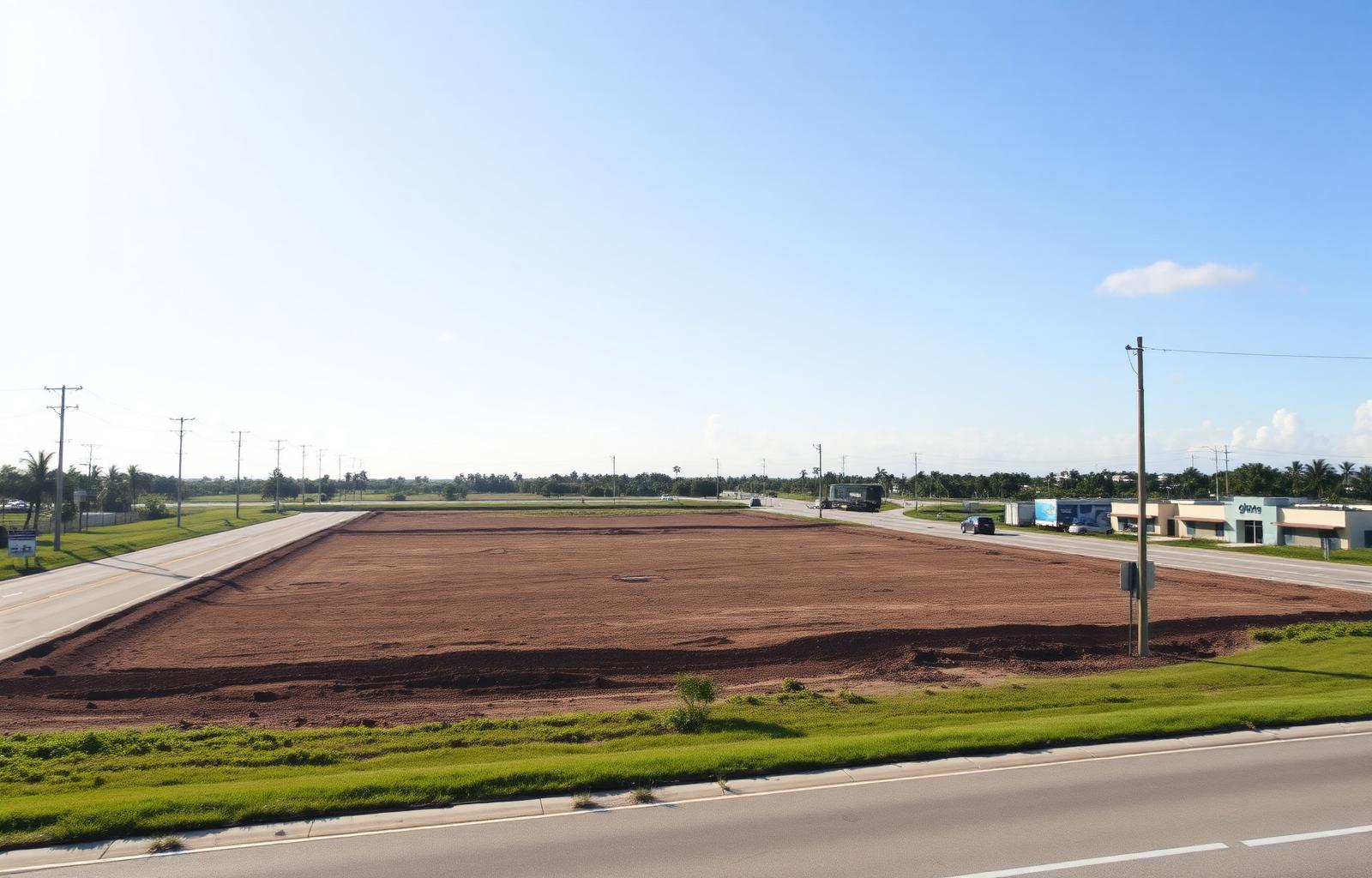
Selling vacant commercial land in South Florida is a different exercise than selling an income-producing building. There is no rent roll, no tenants, and no operating history. Value comes from what the parcel could become, not what it currently produces. For owners who want to sell commercial land fast, the right buyer is often a corporate cash buyer or developer who can underwrite the site quickly and close without traditional lender delays.
From Miami-Dade through Broward, Palm Beach, and the Treasure Coast, demand for development-ready parcels remains active along key logistics corridors, mixed-use overlays, and municipal growth boundaries. This guide explains how institutional buyers value vacant commercial land, what documents to prepare, and how a direct off-market sale can help owners close on their timeline.
Why Owners Sell Vacant Commercial Land
Land does not generate income while it sits. It still generates property taxes, insurance, mowing and clearing costs, and code compliance obligations. Many owners of vacant commercial parcels in South Florida hold the land for years while zoning, entitlements, or infrastructure catch up to the parcel's potential.
At some point, most owners face a decision: continue carrying the land, pursue entitlements themselves, or sell to a buyer who is ready to develop. For estate situations, partnership dissolutions, or owners who want to redeploy capital, selling directly to a cash buyer can be the cleanest exit.
How Institutional Buyers Underwrite Vacant Commercial Land
Institutional buyers do not value raw land the way they value a stabilized building. There is no NOI to capitalize. Instead, buyers work backward from what can realistically be built on the site, what it will cost to build, and what the finished project should be worth at completion. That residual land value drives the offer.
Zoning and Entitlements
The first question any serious buyer asks is what the current zoning allows by right, and what a rezoning or variance would realistically require. A parcel zoned for industrial use in a logistics corridor near I-95 or the Florida Turnpike carries a very different value than the same acreage zoned for low-density residential. Buyers pay a premium for parcels that are already entitled, and they discount heavily for sites that require a lengthy municipal approval process.
Utilities and Infrastructure
Access to water, sewer, electric, and stormwater capacity has a direct effect on land value. Parcels that require utility extensions, lift stations, or off-site improvements carry real cost. Buyers underwrite those costs into their offer. Owners who can provide current utility letters, capacity confirmations, or existing engineering studies help buyers price the deal with less uncertainty.
Road Access and Frontage
Commercial land value is tied to visibility, ingress and egress, and proximity to major roadways. A parcel with signalized access on a municipal arterial or direct frontage on a state highway will underwrite differently than an interior parcel that depends on cross-access easements. Traffic counts, curb-cut approvals, and any FDOT correspondence should be part of the file.
Environmental and Site Conditions
South Florida land often carries wetland, flood zone, or environmental considerations. A current Phase I Environmental Site Assessment, geotechnical report, boundary and topographic survey, and wetlands delineation reduce buyer uncertainty. Sites with known contamination, unrecorded encumbrances, or fill requirements will price accordingly.
Highest and Best Use
Ultimately, buyers underwrite to the highest and best use the market will support. That may be last-mile industrial, multifamily, mixed-use, self-storage, or retail out-parcels, depending on the submarket. Owners who understand the range of realistic uses for their parcel are in a stronger position when a buyer opens the conversation on price.
Documents to Prepare Before Talking to a Buyer
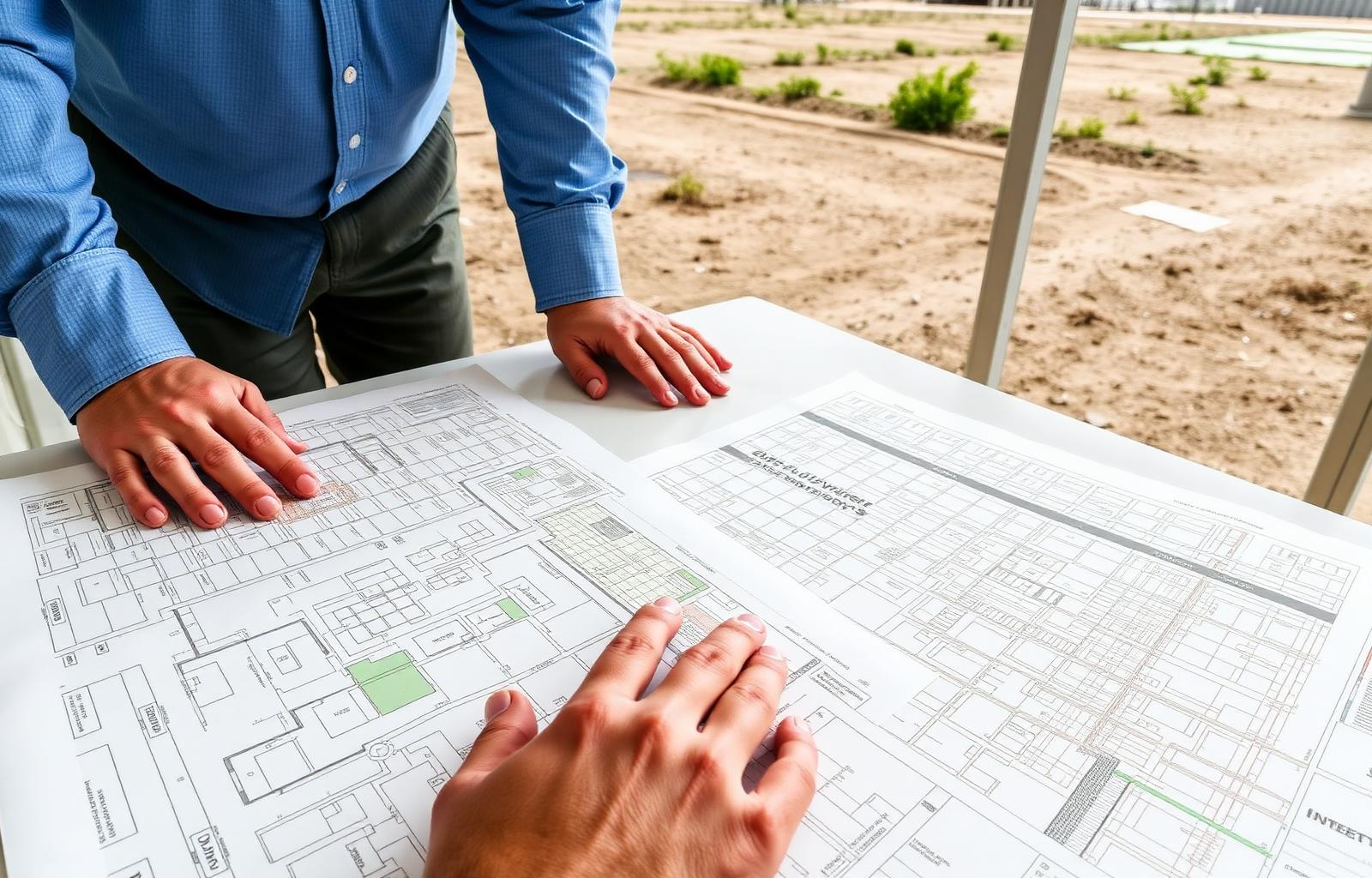
A clean file shortens the timeline from first call to closing. Before you speak with a serious buyer, gather what you have on the parcel. You do not need to produce everything on day one, but the more you can share up front, the faster the conversation moves.
- Legal description, folio number, and current deed
- Current survey and any topographic or boundary updates
- Zoning verification letter and any land-use approvals
- Utility availability letters and capacity confirmations
- Phase I ESA, geotechnical reports, and wetlands studies if available
- Traffic studies, curb-cut approvals, and FDOT correspondence
- Recent property tax bills and any special assessments
- Any existing site plans, renderings, or entitlement work
Direct Cash Sale vs Traditional Listing
Publicly listing raw land can produce a wide buyer pool, but it can also produce a long timeline and a large volume of unqualified inquiries. Land brokers may also carry the parcel for six to twelve months before a serious offer materializes, particularly for parcels that require entitlement work.
A direct sale to a corporate cash buyer is different. The buyer already has capital in place, has underwriting experience in South Florida submarkets, and does not depend on lender approvals. For owners who value speed, privacy, and certainty of close, this is often a better fit than a traditional listing. This is the same core logic that makes selling commercial property off market attractive to owners of income-producing assets.
South Florida Submarkets Worth Watching
Demand for developable land in South Florida is uneven. Industrial infill parcels near Doral, Medley, Miramar, Pompano Beach, and Riviera Beach continue to attract logistics developers. Mixed-use overlays in downtown corridors of Fort Lauderdale, West Palm Beach, and Boca Raton draw multifamily and hospitality capital. Along the Treasure Coast, growth in Port St. Lucie and Stuart is pulling retail and residential developers into markets that were quieter a decade ago.
Industry groups like ULI Florida publish regular research on Florida urban land development trends, submarket demand, and infrastructure planning that owners can use to sanity-check their read on the market before going to sale.
Pricing Your Commercial Land
For raw land, price is usually expressed as dollars per acre or dollars per buildable square foot. Owners should look at recent closed comparables in the same submarket, adjusted for zoning, entitlements, utilities, and access. A parcel that appears comparable on paper can trade at very different numbers based on how much of the entitlement risk has already been resolved.
For owners considering a mixed portfolio that includes both land and income-producing assets, our cap rate calculator can help frame how buyers look at cash-flowing components of the same holdings.
When Selling Land Direct Makes Sense
A direct cash sale is worth considering when the owner wants to close quickly, avoid the carrying cost of a long listing, resolve an estate or partnership situation, or move capital into another investment. It can also be a good fit when the parcel has complexity that a traditional listing would struggle to communicate: split zoning, environmental history, unresolved entitlements, or unusual access.
Buyers who acquire land directly are used to those conditions. They price the risk into the offer instead of walking away from it.
How Price Capital Group Reviews Land
Price Capital Group reviews commercial land and development sites across South Florida directly. If you own a vacant parcel and want to explore a private sale, you can Submit a Property for a confidential review. Share what you have on zoning, utilities, and access, and the acquisition team will follow up with next steps.