

Commercial Real Estate
Liquidation Strategies for Florida Hotel and Motel Properties
How Florida hotel and motel owners can evaluate a sale, understand buyer underwriting, and consider off-market transaction options.
Florida's tourism economy supports one of the deepest hospitality real estate markets in the country. For independent owner-operators, family partnerships, and mid-market franchisees from the Orlando theme park corridor to the coasts of Miami, Fort Lauderdale, and Clearwater, hotels and motels have long produced meaningful cash flow.
The operating environment has shifted. Institutional capital continues to consolidate the market, insurance and property tax costs have risen sharply in coastal zones, and franchise-mandated renovations can require significant unbudgeted capital. When an owner is preparing for retirement, working through an inherited property, restructuring a partnership, considering a 1031 exchange, or simply ready to step away, understanding how private buyers evaluate hospitality assets helps protect value during a sale.
Why Florida Hotel and Motel Owners Consider Selling
Owners consider selling for many reasons, and the mix of factors is often personal as well as financial. Common drivers include retirement planning, inherited property that a family does not want to operate, changes in an ownership partnership, operational fatigue after years of managing staff and guests, refinancing pressure as loans mature, and 1031 exchange timing.
Cost pressure is also a common factor. Commercial property and windstorm insurance premiums have climbed in coastal Florida, particularly for older exterior-corridor motels. Property taxes, payroll, utilities, and routine capital maintenance can compress margins. For franchised hotels, brand-required Property Improvement Plans can call for meaningful capital spending on lobbies, guest rooms, mechanical systems, and life safety upgrades. When those requirements arrive at the same time as a mortgage maturity or a personal transition, a sale often moves onto the table.
How Buyers Evaluate Florida Hospitality Properties
Private buyers underwrite hospitality assets on more than the physical building. They look at the quality of the income, the durability of demand in the submarket, the physical condition of the property, the terms of any franchise agreement, and the underlying land. General industry standards, benchmarks, and terminology are maintained by trade organizations such as the American Hotel & Lodging Association.
Trailing Twelve-Month Financial Performance
Buyers generally review the trailing twelve-month operating statement, current year-to-date financials, and the property's profit and loss history. Line items that typically receive close attention include room revenue, occupancy, ADR and RevPAR trends, payroll, utilities, insurance, property taxes, franchise fees, management expenses, and any deferred maintenance the property is carrying.
Clean, well-organized financials give buyers greater confidence in the underwriting and generally support a more efficient diligence process. Blended personal and business records, or expenses that mix real estate and unrelated operations, usually cause buyers to underwrite more conservatively.
ADR, Occupancy, and RevPAR
Occupancy measures the percentage of available rooms that were sold over a given period. Average Daily Rate, or ADR, measures the average revenue earned per occupied room. Revenue Per Available Room, or RevPAR, combines the two by measuring revenue against total available rooms rather than only rooms sold.
No single metric tells the full story. Buyers generally consider all three together, along with seasonality, expense structure, market performance, physical condition, and brand or independent positioning. A property with high occupancy but a low ADR may look different from a property with lower occupancy and stronger rate performance, and each requires its own underwriting.
Franchise Agreements and Property Improvement Plans
For flagged hotels, the franchise agreement is a central part of any transaction. Buyers review remaining term, transfer requirements, brand standards, and any outstanding or upcoming Property Improvement Plan obligations. A required PIP can affect price, timing, and buyer type, since some buyers may plan to retain the flag while others may plan to reposition or de-flag the asset.
Land, Zoning, and Redevelopment Potential
Older hotels and motels are often evaluated for more than continued hospitality use. Depending on the site, buyers may consider renovation, repositioning, conversion, or full redevelopment. Whether any of those paths are realistic depends on zoning, land-use rules, entitlement requirements, physical constraints such as parcel shape and access, environmental conditions, and local approvals.
For well-located parcels on high-density commercial corridors, the underlying land can become a meaningful part of the valuation conversation. That is not automatic, and every property should be reviewed on its own facts.
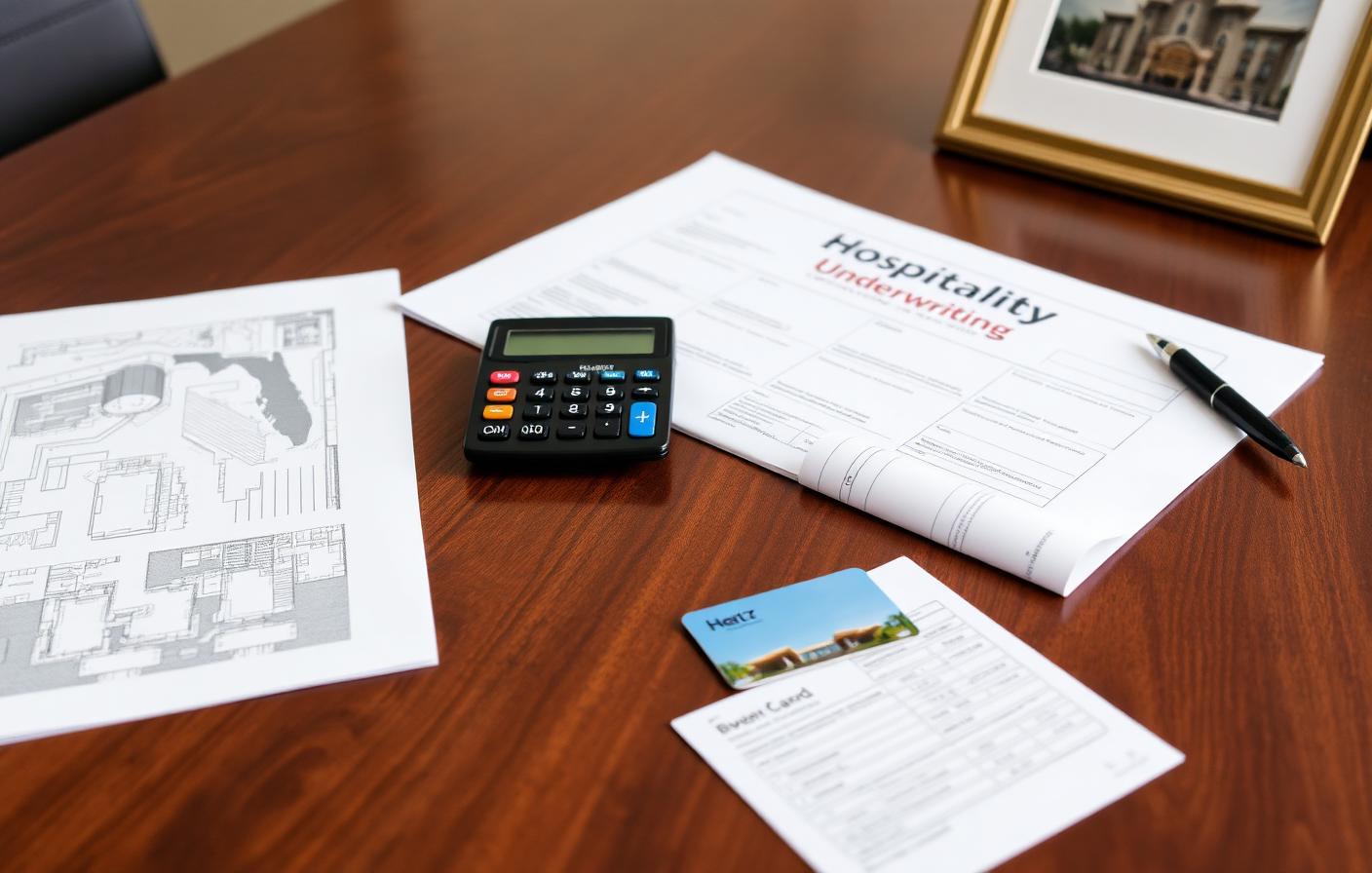
Traditional Hotel Listing Versus a Direct Off-Market Sale
Both a traditional brokerage listing and a direct off-market sale can be appropriate depending on the property, the owner's goals, and existing contractual obligations. The right path depends on how the owner weighs public price discovery against confidentiality, speed, and certainty.
A public brokerage listing exposes the property to a wide buyer pool, which can be useful for well-positioned assets that benefit from competitive bidding. That process also carries trade-offs. Marketing and diligence timelines can extend over several months, employees and vendors often become aware that a sale is being pursued, and financed buyers may require bank appraisals, environmental reviews, franchise transfer approvals, and lender underwriting that can introduce delays or re-trades.
A direct off-market sale to a private capital buyer may provide greater confidentiality, since the property is not publicly marketed. A buyer using its own capital may be able to offer a more predictable transaction timeline by reducing reliance on conventional financing. Selling without a new brokerage engagement may reduce certain transaction costs, though whether commissions can be avoided depends on any existing listing or representation agreement already in place.
Every transaction remains subject to underwriting, due diligence, title review, franchise or brand considerations where applicable, documentation, and final approval. For a broader look at how private transactions are typically structured, review our overview of selling commercial property off market.
Preparing a Florida Hotel or Motel for Buyer Review
Before entering any sale process, owners benefit from organizing the information a serious buyer will want to review. A prepared file supports a cleaner underwriting conversation and reduces friction during diligence. Common items include:
- Trailing twelve-month profit and loss statement
- Current year-to-date financial statement
- Occupancy history
- ADR and RevPAR reports
- Room count and room mix
- Franchise or brand agreement, if applicable
- Property Improvement Plan documents, if applicable
- Insurance information
- Property tax information
- Payroll summary
- Utility expenses
- Capital improvement history
- Existing loan payoff information
- Survey and title documents, when available
- Environmental reports, when available
- Existing management agreements
- List of known deferred maintenance
- Proposed sale timeline and owner objectives
Owners can also test their property's income alignment against current market cap rates using our cap rate calculator.
Request a Confidential Property Review
If you are considering selling a hotel or motel property in Florida, Price Capital Group can review the property, financial information, and proposed transaction on a confidential basis. Submitting a property does not guarantee an offer, approval, or closing. Every transaction remains subject to underwriting, due diligence, and final documentation.
Submit a PropertyRelated Reading
This article is provided for general informational purposes only. It does not constitute legal, tax, investment, appraisal, or brokerage advice. Property owners should consult qualified advisers regarding their specific property, contracts, tax position, and transaction.