
Commercial Real Estate
Strategies for Selling Marinas and Boat Storage Facilities in South Florida
How South Florida marina and boat-storage owners can prepare for a confidential sale, understand buyer underwriting, and evaluate off-market exit options.
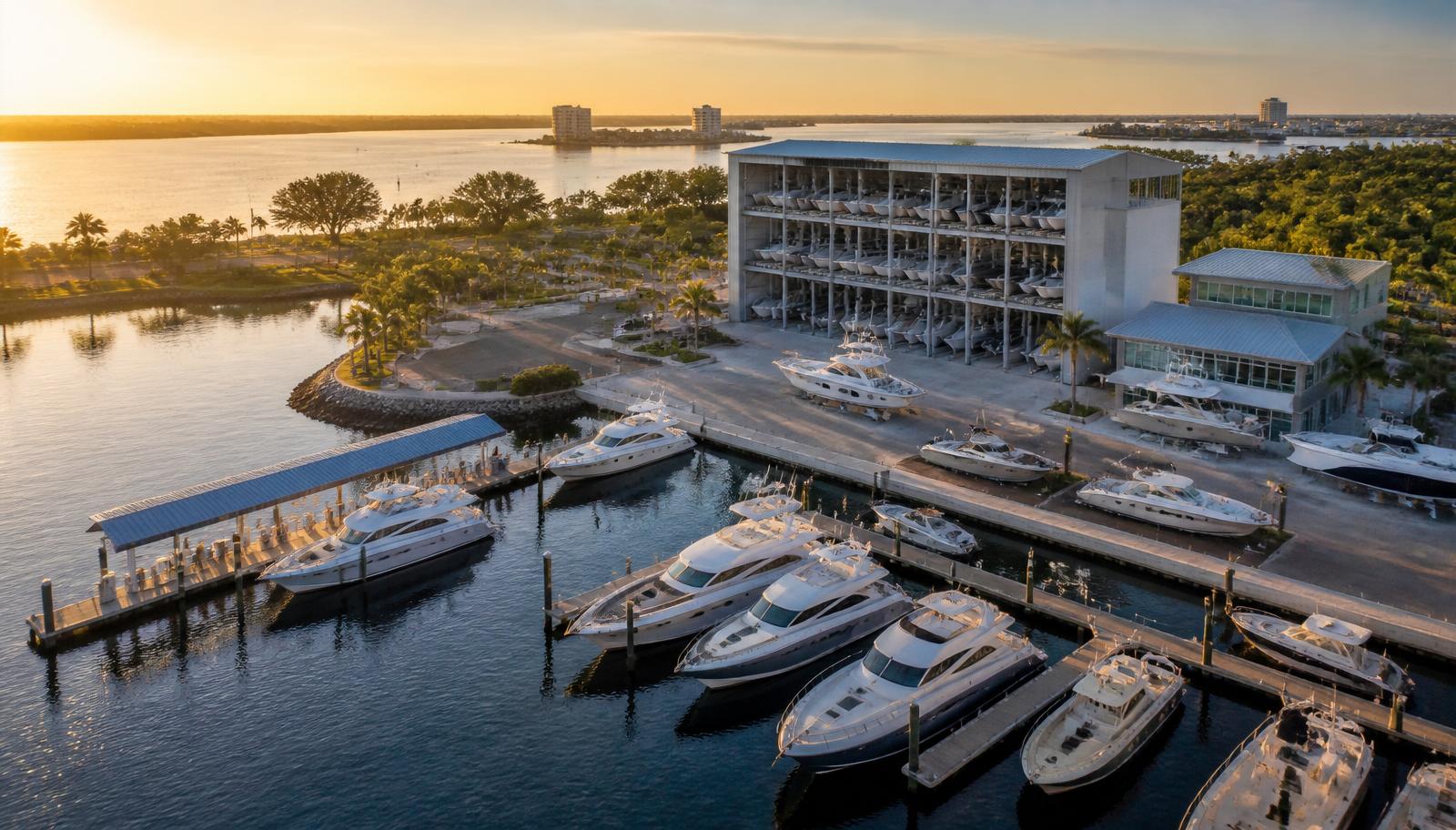
South Florida's marine industry is a major part of the regional economy, with Fort Lauderdale widely known as the Yachting Capital of the World. For independent owners, family partnerships, and legacy operators across Miami-Dade, Broward, and Palm Beach counties, marinas, dry-stack storage facilities, and boatyards can produce durable demand and valuable waterfront real estate.
Operating these assets has also become more complex. Insurance, structural maintenance, environmental compliance, and waterfront permitting can require substantial capital. At the same time, maritime investment groups and larger operators continue to pursue well-located coastal facilities.
When an owner is preparing for retirement, considering a 1031 exchange, resolving a partnership transition, or simply ready to step away from daily operations, understanding how professional buyers evaluate marine assets can help protect value and create a cleaner sale process.
The Operational Pressures Facing Florida Marina Owners
Marinas and boat-storage facilities require ongoing investment. Docks, seawalls, lifts, racks, utilities, stormwater systems, and fuel infrastructure must be maintained in a coastal environment that accelerates wear.
Insurance is one of the most significant pressures. Waterfront properties face exposure to hurricanes, storm surge, wind, flooding, and liability claims. Premiums and deductibles can materially affect net operating income, especially for older facilities or properties with aging infrastructure.
Capital expenditures can also arrive in large, irregular amounts. Seawall repairs, dock replacement, dredging, electrical upgrades, fire-suppression systems, and dry-stack equipment may each require substantial spending. Facilities with fuel operations must also address applicable storage tank compliance and environmental requirements.
These pressures do not automatically mean an owner should sell. They do mean the owner should compare the cost and operational burden of the next ownership cycle with the value that may be available through a sale.
How Buyers Underwrite Marina and Boat-Storage Assets
Professional buyers look beyond a facility's basic slip count. They evaluate the quality and stability of income, the condition of marine infrastructure, the legal right to operate, and the potential for continued or expanded use.
Owners preparing for a review should organize trailing twelve-month financials, historical operating statements, slip or rack occupancy, customer agreements, rate schedules, payroll, insurance costs, utility expenses, repair history, environmental records, and information about permits, leases, and submerged-land rights.
Wet Slips vs. Dry Stack Storage Economics
Wet-slip and dry-stack facilities have different operating profiles.
For wet slips, buyers may review total linear footage, water depth, vessel-size capacity, dock configuration, utility access, hurricane plans, and the condition of pilings, seawalls, and floating or fixed docks. A basin that can accommodate larger vessels may have a different income profile from one designed primarily for smaller recreational boats.
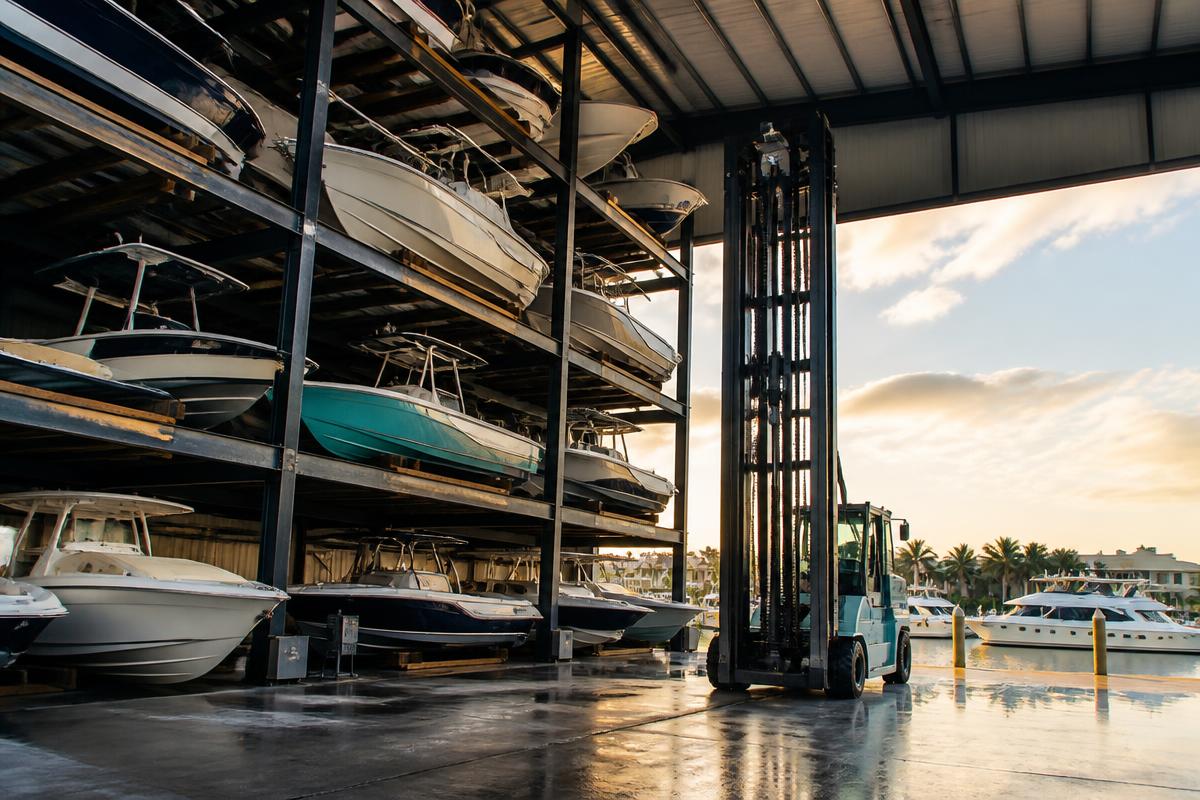
For dry-stack storage, buyers may focus on total rack capacity, building clear height, rack configuration, fire and life-safety systems, forklift capacity, launch efficiency, and the physical condition of the structure. Dry-stack operations can use land and vertical space efficiently, but equipment, staffing, and building systems remain important parts of the underwriting.
Submerged-Land Rights and Environmental Review
Some South Florida marinas operate in areas involving state-owned sovereignty submerged lands. Buyers will want to understand the status, remaining term, assignability, fees, and conditions of any applicable authorization or lease. Florida's Department of Environmental Protection maintains information about sovereignty submerged lands and related state processes.
Environmental review is also important, particularly when a facility has current or former fuel tanks, maintenance operations, vessel repair, waste handling, or a history of spills. Depending on the property, a buyer may request a Phase I Environmental Site Assessment and additional investigation if recognized environmental conditions are identified. Florida DEP also publishes current storage tank compliance information for regulated systems.
Ancillary Revenue from Fuel, Service, and Retail Operations
Income beyond basic storage can meaningfully affect value. Buyers may examine fuel sales, ship-store revenue, service-yard income, repair-tenant leases, boat-club agreements, parking, launch fees, and other operating sources.
For a fuel dock, underwriting may include trailing gallons sold, margins, tank capacity, inspection history, environmental records, and the condition of pumps and related equipment. For a service yard, buyers may review tenant agreements, licensing, equipment ownership, outdoor storage, and the division of environmental responsibilities.
Diversified income can strengthen an asset, but only when the records are clear and the obligations associated with each activity are understood.
Traditional Marketing vs. a Direct Off-Market Sale
Both a traditional broker-led process and a direct off-market sale can be appropriate. The right choice depends on the property, the owner's priorities, and any existing brokerage or representation agreement.
A public listing can expose the marina to a wider buyer pool and may support a competitive process. It can also create operational noise if tenants, employees, vendors, or competitors learn that a sale is being considered. Financed buyers may require bank underwriting, appraisals, environmental review, permit analysis, and longer due-diligence periods.
A direct off-market conversation with a qualified private buyer may offer greater confidentiality and a more focused review. A buyer using its own capital may be able to reduce financing-related contingencies, although every transaction remains subject to underwriting, due diligence, title review, environmental review, documentation, and final approval.
Owners should compare more than the headline purchase price. The evaluation should include timing, closing risk, required repairs, transaction costs, confidentiality, existing brokerage obligations, and the likelihood of a price adjustment during diligence. For a broader look at these structures, review our overview of selling commercial property off market.
Preparing a Marina for Confidential Review
Before requesting a valuation or discussing a sale, assemble the materials a serious buyer is likely to request:
- Trailing twelve-month income and expenses
- Historical operating statements
- Wet-slip and dry-stack occupancy reports
- Current customer rates and agreement forms
- Fuel-sales history and margins, if applicable
- Service-yard and commercial tenant agreements
- Insurance policies, premiums, deductibles, and claim history
- Property tax information
- Payroll and management expenses
- Dock, seawall, rack, forklift, and capital-improvement history
- Dredging records and available depth information
- Surveys, site plans, permits, and zoning information
- Submerged-land leases or authorizations, if applicable
- Environmental reports and storage-tank records, if applicable
- Existing loan payoff information
- Known deferred maintenance
- The owner's preferred sale timeline and transaction goals
Clear records help a buyer understand the asset and can reduce avoidable delays during due diligence.
Evaluate Your South Florida Marina or Boat-Storage Facility
If you are considering a sale, start by reviewing the facility's net operating income, occupancy, customer rates, ancillary revenue, insurance burden, environmental obligations, and upcoming capital needs.
Use Price Capital Group's cap rate calculator to test how changes in income and market yield may affect an estimated valuation. If you would like a private review, submit your property to Price Capital Group for a confidential evaluation.
Submitting a property does not guarantee an offer, approval, or closing. Every transaction is subject to underwriting, due diligence, title review, documentation, and final approval.
Submit a PropertyRelated Reading
This article is provided for general informational purposes only. It does not constitute legal, tax, environmental, investment, appraisal, or brokerage advice. Property owners should consult qualified advisers regarding their property, permits, environmental obligations, contracts, tax position, and transaction.