
Construction & Bridge Capital
The Architecture of Build-to-Rent (BTR) Financing: Bridging the Gap Between Horizontal Construction and Agency Takeouts
How phased horizontal construction, lease-up timing, and construction-loan maturities interact in a Build-to-Rent community, and where bridge capital and permanent financing may fit.
Build-to-Rent (BTR) has become a closely watched segment of the rental housing market. These communities combine single-family style homes with centralized, professionally managed operations similar to an apartment property. BTR communities can offer operating characteristics that differ from traditional multifamily and scattered-site single-family rentals, but performance varies by market, location, unit mix, rents, operating expenses, supply, and execution.
Financing a horizontal development also raises its own capitalization questions. The pace of construction and leasing in a phased BTR community does not always line up with the timelines in a conventional construction loan. When homes are built but leasing takes longer than the original schedule assumed, the sponsor can face pressure as the loan approaches maturity. Moving from active horizontal construction to permanent financing may involve interim bridge capital to cover the lease-up period.
1. The Capital Curve of Build-to-Rent Development
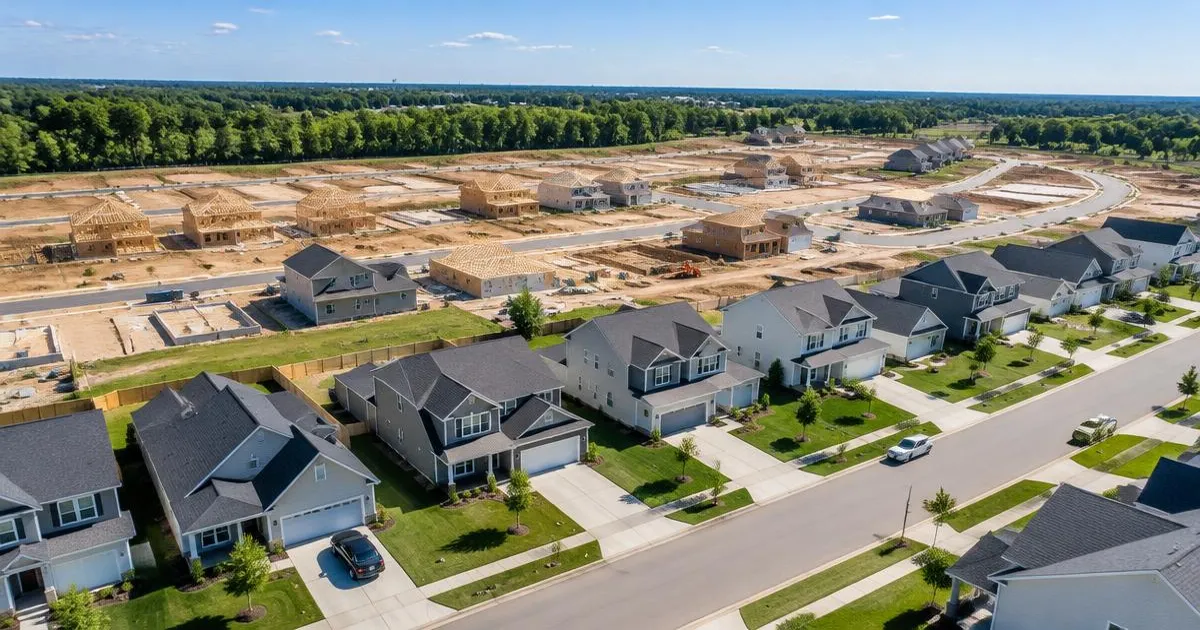
Traditional multifamily projects often deliver a substantial portion of their units within a relatively concentrated completion window. Build-to-Rent communities may deliver homes in phases, allowing leasing to begin while construction continues elsewhere on the site.
Illustrative example only. A developer builds a 100-home BTR community in phases. After completing the first 20 homes, the developer begins leasing them while construction continues on the remaining 80.
Individual homes or phases may receive Certificates of Occupancy or equivalent approvals as they are completed, depending on local requirements. Phased BTR development can create more complex construction-loan administration because the property may simultaneously contain completed occupied homes, vacant completed units, and units still under construction. A lender has to monitor draws and remaining Capital Expenditure on one part of the site while tracking rental income on another, which is why horizontal multifamily development debt is often underwritten differently from a single-building project.
2. Lease-Up Timing and Construction Loan Maturity Risk
Construction-loan terms vary based on project size, market, lender, construction schedule, extension options, and business plan. As an illustration only, a sponsor might close a 24-month construction loan. Because a BTR community is delivered and leased in phases, reaching community-wide stabilization can take longer than the original schedule assumed.
Illustrative example only. At month 24, roughly 80% of the homes are built and leased, while the remaining 20 homes are still under construction or vacant.
A financing gap can emerge when the construction loan is approaching maturity but the community has not yet reached the operating performance required for permanent financing. The existing lender may consider an extension, modification, additional borrower equity, revised completion plan, or other workout depending on the project and loan documents. If the loan reaches contractual maturity without repayment or an approved extension, the borrower may face an event of default under the loan documents.
3. Using Bridge Capital for a BTR Recapitalization
Bridge financing may provide an interim capital solution when a BTR community is substantially complete but still completing units, leasing homes, or moving toward stabilized operations. BTR bridge loan requirements vary, but a bridge lender may consider both current performance and projected stabilized performance, along with remaining cost to complete, sponsor liquidity, leverage, and the exit plan. Future stabilized value depends on completed construction, achieved occupancy, actual rents, expenses, cap rates, market conditions, and execution.
Bridge proceeds may be used to refinance the existing construction loan if the approved facility is large enough and all closing conditions are satisfied. A bridge facility may include a controlled reserve for remaining construction or Capital Expenditure, and a lender may establish an interest reserve to support scheduled debt service during the remaining construction or lease-up period. The property manager continues lease-up while the remaining homes are completed.
Refinancing an approaching construction-loan maturity may reduce immediate maturity pressure if the new transaction closes successfully, but it does not eliminate all financing or execution risk. Bridge debt is also only one layer of a possible capital stack; sponsors comparing additional layers may find it useful to review Structuring the Capital Stack: Mezzanine Debt vs. Preferred Equity in Commercial Real Estate. Submit a Property to discuss a phased BTR scenario.
4. Planning the Permanent Financing Exit
A bridge loan on a BTR community is generally short-term, transitional capital intended to give the sponsor time to complete the remaining homes and reach stabilized operating performance. Permanent lenders generally require the property to demonstrate sufficient completion, occupancy, operating history, and stabilized cash flow under the applicable program. Specific occupancy and seasoning requirements vary by lender, agency, product, market, property structure, and loan size.
Some purpose-built rental communities may qualify for multifamily agency financing if their ownership, parcel structure, property configuration, completion status, operating performance, and other program requirements fit the applicable Fannie Mae or Freddie Mac guidelines. Fannie Mae Multifamily generally finances eligible properties with at least five units, and its guide addresses certain standalone buildings with fewer units that were constructed as part of a single multifamily development or meet specific parcel requirements. Freddie Mac financing, where eligible, is accessed through approved Optigo lenders and remains subject to Freddie Mac underwriting and program requirements. Not every BTR community qualifies, and the recourse structure depends on the specific loan program and transaction.
Agency financing can be an attractive permanent-capital option for eligible stabilized rental properties, but bank, life-company, CMBS, debt-fund, and other permanent financing options may also be available, including single family rental portfolio financing for certain ownership structures. After construction and lease-up, the sponsor may pursue permanent financing if the property meets the next lender's requirements. If permanent financing closes with sufficient proceeds, the new loan may repay the bridge facility. Sponsors can test how NOI and cap-rate assumptions translate into value with our cap rate calculator; it does not determine bridge proceeds, agency eligibility, or loan approval.
As discussed in The Discipline Loop: Why Your Process Beats Your Goals, a consistent process matters. For a phased community, that means planning the bridge and permanent exit well before the construction loan matures.
Price Capital Group evaluates commercial real estate opportunities involving phased development, transitional assets, complex capital structures, and bridge recapitalization scenarios based on collateral, project status, current cash flow, remaining cost to complete, sponsor liquidity, leverage, and exit strategy. If you are evaluating a Build-to-Rent development, phased rental community, or transitional construction opportunity, Submit a Property for a confidential review.
Related Reading
General educational information only, not legal, tax, accounting, lending, or investment advice. Loan terms, agency eligibility, recourse, occupancy and seasoning requirements, and financing outcomes depend on the lender, program, property, borrower, and transaction. No approval, bridge financing, agency takeout, leverage, or closing timeline is guaranteed.