
Commercial Real Estate
Liquidation Strategies for South Florida Flex Space and Small-Bay Industrial Warehouses
How independent owners of South Florida flex space and small-bay industrial warehouses can plan a confidential, off-market cash exit while corporate buyers underwrite functionality, lease structure, and upside.
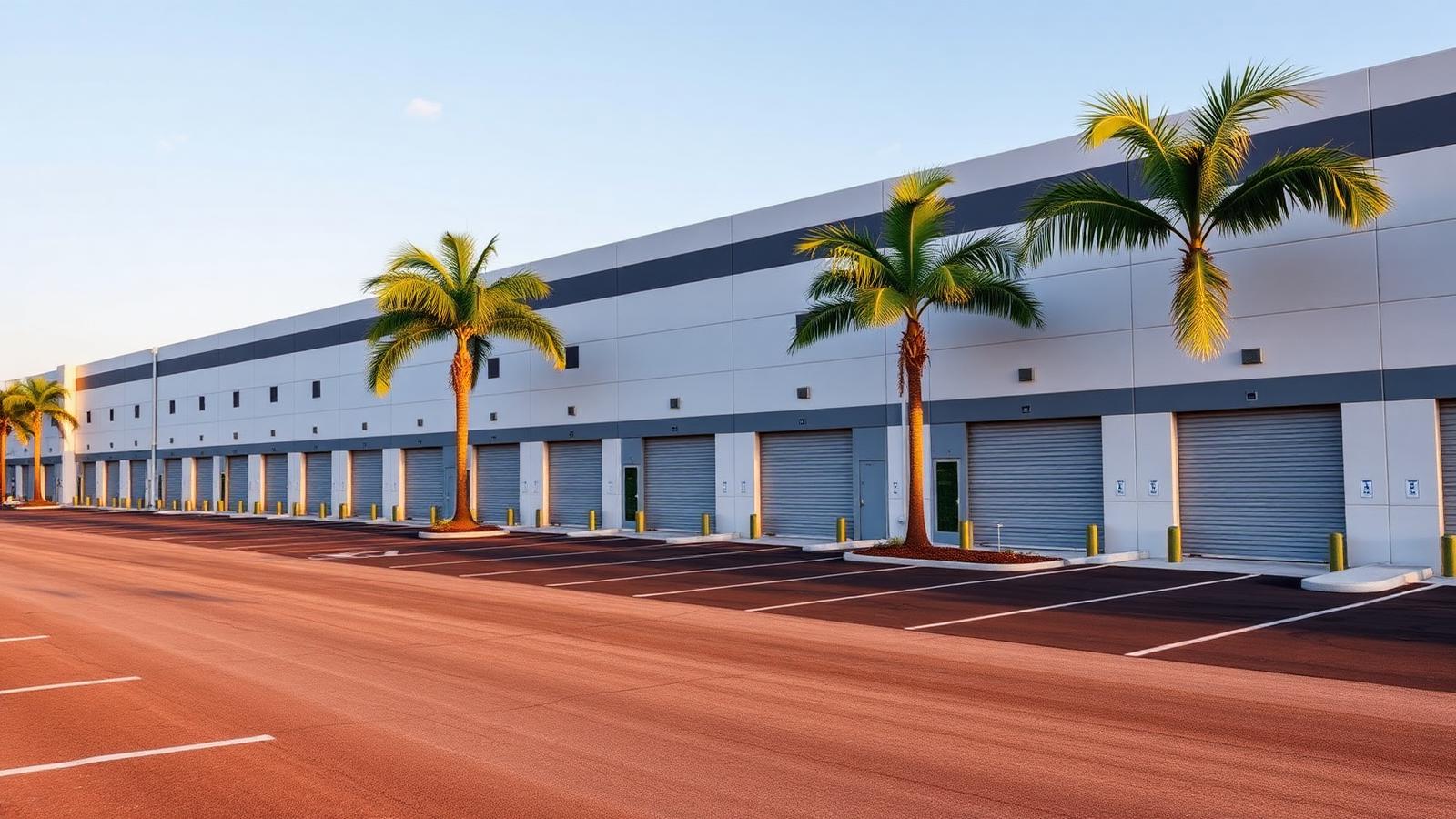
Across the dense, high-demand industrial corridors of Miami-Dade, Broward, and Palm Beach counties, small-bay industrial warehouses and flex space properties (typically ranging from 10,000 to 50,000 square feet) represent some of the most sought-after real estate in the Sunbelt. Driven by South Florida's booming local economy, high population density, and constant inflow of trade contractors, last-mile distributors, and light manufacturers, these multi-tenant assets historically enjoy near-zero vacancy.
However, owning and managing small-bay industrial property today comes with compounding operational overhead. Independent landlords, family estates, and private partnerships are facing unprecedented increases in commercial property insurance, steep real estate taxes, and escalating capital expenditure (CapEx) demands.
When a property owner reaches a turning point, whether facing a massive roof replacement, navigating a partnership buyout, or executing a tax-deferred exit, understanding how institutional acquisition groups underwrite flex space is essential for securing a fast, off-market cash sale.
Local Operational Headwinds Facing Florida Industrial Landlords
While small-bay industrial buildings generate strong gross revenues, maintaining these intensive facilities in South Florida introduces unique carrying costs that erode net operating income (NOI).
The primary operational pressure is the skyrocketing cost of commercial property and windstorm insurance. Industrial buildings with aging twin-T concrete or metal roofs, located east of I-95 or near coastal flood zones, are heavily penalized by commercial risk underwriters.
Furthermore, local environmental agencies, such as the Division of Environmental Resources Management (DERM) in Miami-Dade County or the Environmental Protection and Growth Management Department in Broward, enforce strict regulations regarding chemical storage, vehicle washdown areas, and sub-surface drainage. For older industrial parks in submarkets like Medley, Doral, Pompano Beach, or West Palm Beach, upgrading aging septic systems or resolving historical environmental non-compliance can cost hundreds of thousands of dollars, making a direct liquidation highly compelling.
How Institutional Capital Underwrites Small-Bay Industrial Assets
When private equity funds, family offices, and direct cash buyers evaluate a South Florida flex space or warehouse facility, their underwriting teams look far beyond surface rent rolls. They focus on structural functionality, layout adaptability, and lease modernization potential. Industry organizations such as NAIOP, the Commercial Real Estate Development Association, publish extensive research on how modern logistics tenants evaluate industrial buildings.
1. Physical Functionality and Power Capacity
Underwriters place a premium on clear ceiling heights (ideally 18 feet or higher) to accommodate vertical pallet racking systems. Additionally, the ratio of dock-high loading positions versus grade-level roll-up doors dictates what types of logistics users can occupy the site. Properties featuring certified three-phase electrical power command a massive pricing premium because securing new heavy-power upgrades from local utility providers can take over a year.
2. Open-Box Adaptability and Low Turnover CapEx
As we break down in our industrial acquisition strategy on The Route EP 1, industrial real estate sits at the top of institutional buy lists because of its open-box layout. Unlike office or retail spaces, which require expensive interior demolition and custom tenant improvements every time an occupant leaves, a small-bay warehouse is ready for the next tenant the day the previous one vacates.
3. Converting Gross Leases to Triple Net (NNN)
Many legacy mom-and-pop landlords in Florida operate under gross or modified-gross lease structures, absorbing all insurance spikes and property tax increases themselves. Institutional buyers actively look for these properties to convert legacy leases into absolute Triple Net (NNN) contracts, shifting all operating expenses back to the tenants and immediately expanding the building's net operating income.
Bypassing Public Market Friction with a Direct Cash Sale
When an independent operator decides to sell a small-bay warehouse or flex facility, selecting the proper liquidation channel determines the speed, confidentiality, and net profitability of the transaction.
Listing a multi-tenant industrial facility through a traditional commercial brokerage exposes your rent roll and tenant roster to the open market. This public exposure can cause immediate concern among active small business tenants, prompting them to look for alternative spaces or refuse lease renewals while the building sits listed. Furthermore, financed buyers utilizing conventional commercial loans face strict lender environmental due diligence. If a bank's Phase I Environmental Site Assessment reveals minor historical contamination from a former mechanic or print shop tenant, the buyer's loan will instantly stall, trapping the seller in months of delays.
Executing a direct off-market sale to an established corporate cash buyer completely removes these obstacles. Private acquisition groups utilize dedicated, discretionary cash pools, allowing them to purchase industrial buildings "as-is," assuming all deferred roof maintenance, tenant lease conversions, and environmental reviews. This direct approach eliminates standard broker commissions (saving up to 6% in equity), guarantees absolute confidentiality, and secures a fast, reliable closing.
Evaluate Your South Florida Warehouse Position
To evaluate how professional buying groups analyze your warehouse's performance under modern underwriting metrics, test your numbers using our interactive cap rate calculator. If you are ready to eliminate management friction, avoid costly broker percentages, and secure a clean corporate evaluation, Submit a Property to our direct acquisition team for a confidential review today. For a comprehensive look at direct off-market transaction structures, explore our master guide on selling commercial property off market.
Submit a PropertyRelated Reading
This article is provided for general informational purposes only and does not constitute legal, tax, environmental, investment, appraisal, or brokerage advice. Every transaction is subject to underwriting, due diligence, environmental review, title, documentation, and final approval on the specific property.