
Asset Liquidation & Dispositions
Liquidation and Repositioning Strategies for Functionally Obsolete Warehouses in South Florida
How owners of older industrial buildings can evaluate clear height, loading, recertification costs, covered land value, and sale-leaseback options before choosing an exit.
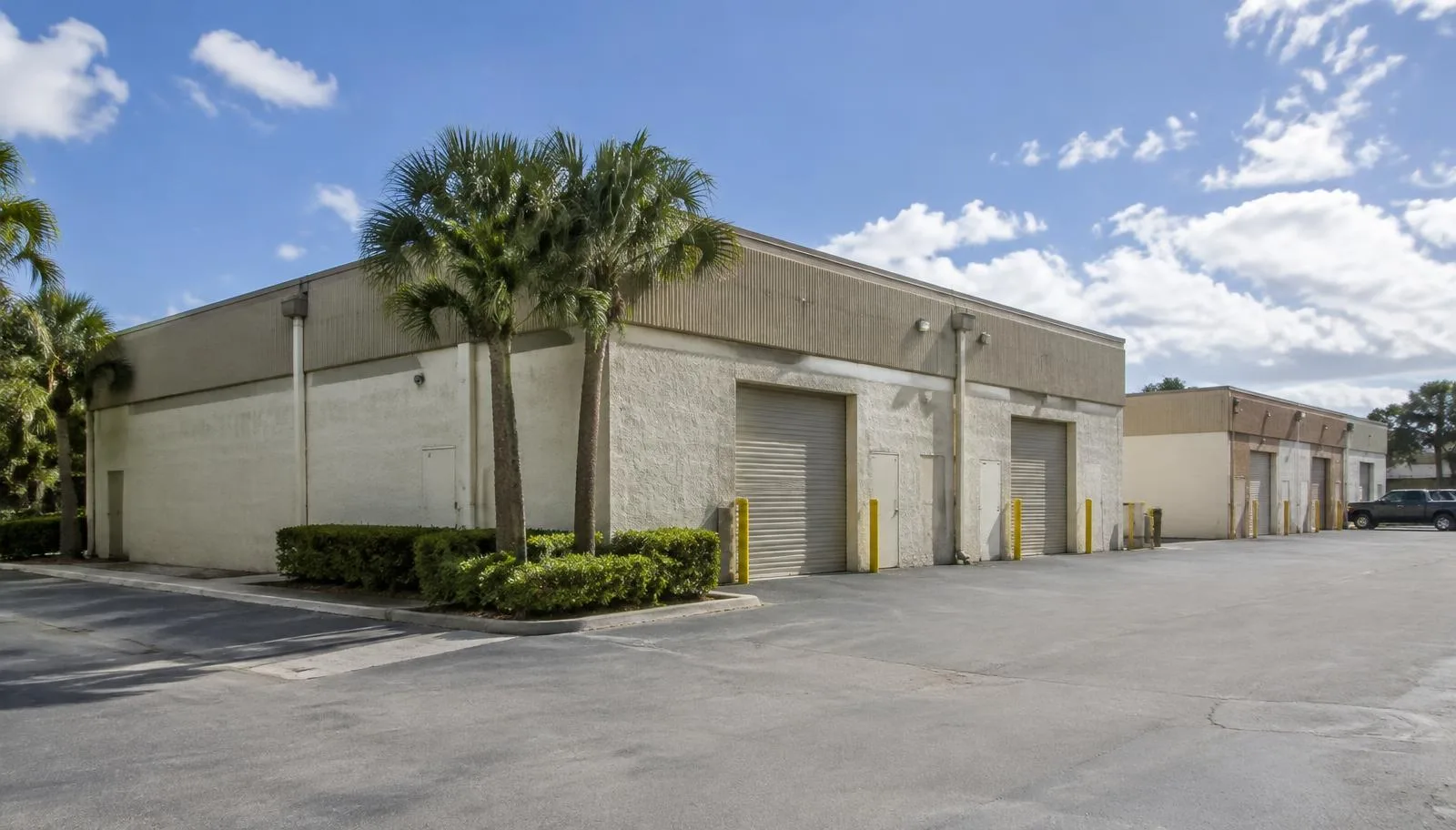
South Florida industrial corridors including Hialeah, Medley, and Pompano Beach contain substantial older warehouse inventory that historically served manufacturing, distribution, and local logistics users. Many of these buildings have been held by the same owners for decades.
The growth of e-commerce, regional distribution, and final-mile logistics has increased demand for modern industrial features such as greater clear height, efficient truck circulation, loading capacity, and higher-throughput layouts. That shift has changed how buyers look at older stock.
Functional obsolescence occurs when a property's design, systems, layout, or operating characteristics make it less competitive for certain modern users, even if the building remains usable. It does not make a property worthless. It changes who the likely buyer is, how that buyer underwrites the asset, and which exit strategy makes the most sense for the owner.
The Metrics of Functional Obsolescence
Buyers and tenants tend to focus on a handful of physical characteristics when they evaluate an older warehouse. Three of the most common are clear height, loading and truck access, and the capital required to keep the building compliant and weather-tight.
1. Clear Heights (The Cubic Volume Trap)
Clear height is the usable vertical space below the lowest overhead obstruction. Warehouse users often think in cubic volume rather than square footage, because taller space allows higher racking and more storage per square foot of floor area.
Illustrative ranges only
Some modern logistics facilities are built with roughly 32 to 36 feet of clear height, while some older South Florida warehouses offer roughly 14 to 18 feet. Many newer logistics facilities are designed with greater clear heights than older industrial stock, but tenant requirements vary by use.
Lower clear height does not disqualify a building. Buildings with lower clear heights may appeal more to local service, manufacturing, storage, or smaller distribution users whose operating requirements differ from large-scale logistics occupiers.
2. Loading Docks and Truck Turning Radiuses
Loading configuration matters as much as interior volume. Older buildings may rely on street-level roll-up doors rather than dock-high loading, and truck courts may be shallow or shared. Limited truck-court depth, loading configuration, or turning radius can reduce suitability for users operating larger tractor-trailers, such as a 53-foot trailer that needs room to maneuver and back into a dock.
These constraints narrow the pool of potential users, but many businesses operate with box trucks, vans, or smaller trailers and can function well in this type of space.
3. The 40-Year Recertification and Roof Trap
Older buildings can face significant capital requirements. In Miami-Dade and Broward counties, many older buildings are subject to building recertification programs, often referred to as 40-year recertification, with recurring inspections afterward. Requirements, inspection cycles, and exemptions are jurisdiction-specific, and other counties and municipalities may apply different building-safety rules. Owners should confirm what applies to their property with the local building official. Our guide to the 40-year recertification for commercial buildings covers the process in more detail.
Major structural, electrical, roofing, or life-safety work can require substantial capital depending on building size, condition, engineering findings, contractor pricing, and permitting.
Illustrative major-CapEx example only
As an example only, combined concrete repair, electrical upgrades, and roof replacement on a larger older warehouse could approach $1,000,000. An owner should compare the cost of major repairs with the building's expected income, remaining useful life, tenant demand, redevelopment potential, and alternative disposition strategies.
How Institutional Capital Underwrites Obsolete Warehouses
Some buyers look at an older warehouse as a covered land play. A covered land play is a property where existing improvements and tenancy may provide interim income while the buyer evaluates longer-term redevelopment potential. Not every functionally obsolete warehouse fits this profile.
In some redevelopment-focused acquisitions, the buyer may place more weight on underlying land value and redevelopment potential than on the existing building's long-term income value. Redevelopment value may depend on zoning, land-use designation, FAR, lot coverage, parking, setbacks, utility capacity, site access, environmental conditions, entitlement potential, and construction economics. Maximum theoretical density is not always achievable.
A redevelopment buyer may evaluate demolition and new industrial construction, for example replacing an older warehouse with a higher-clear logistics facility, where zoning, site geometry, market demand, entitlements, infrastructure, and economics support the strategy. That path runs through the applicable permitting, zoning, site-plan, entitlement, demolition, and redevelopment approval process.
Existing leases may provide interim cash flow that offsets some holding costs while redevelopment plans are evaluated. In that analysis, Net Operating Income still matters. Our cap rate calculator can help frame how in-place income compares with price. Similar thinking applies to land held under long-term structures, discussed in How to Structure Commercial Real Estate Ground Leases.
The Sale-Leaseback Pivot for Owner-Operators
An owner-operator may evaluate a sale-leaseback where the business wants to monetize the real estate while remaining in occupancy under a negotiated lease. This option is not available in every case.
An owner-operator may have additional flexibility because the building can remain operationally useful to its current business even if it is less competitive for modern logistics tenants. A redevelopment-oriented buyer may assign value to the site's future potential in addition to the current income stream. Actual pricing depends on location, zoning, development feasibility, leases, condition, environmental matters, and market demand.
A sale may convert a portion of the owner's real estate equity into liquidity after repayment of debt, taxes, transaction costs, and other closing obligations.
Illustrative leaseback structure
One example is a 3 to 5 year Triple Net lease back to the business. Lease term, rent, expense responsibility, renewal rights, maintenance obligations, and redevelopment provisions are negotiated. A properly structured leaseback may allow the business to remain in place for an agreed period, subject to the lease terms and any future redevelopment rights. See our sale-leaseback acquisitions page for how we look at these transactions.
Bypassing Escrow Friction with a Direct Cash Exit
A functionally obsolete or capital-intensive warehouse may face additional buyer-financing and execution challenges. Low clear heights, roof condition, or a pending recertification may reduce collateral appeal, debt capacity, or lender willingness depending on the property and transaction.
A buyer less dependent on acquisition financing may provide another disposition path, subject to diligence and negotiated purchase terms. Environmental obligations and risk allocation depend on diligence, applicable law, indemnities, and the purchase agreement. Brokerage commissions and transaction costs are negotiated and vary, and a direct transaction may provide a more controlled marketing process, depending on the parties and confidentiality agreements. For more on that approach, read about selling commercial property off market.
Whatever path an owner chooses, a consistent decision process helps. We talk about that idea in The Discipline Loop: Why Your Process Beats Your Goals.
If you are evaluating the sale or sale-leaseback of an aging industrial property, Submit a Property for a confidential acquisition review. You can also see how we approach industrial and warehouse acquisitions in South Florida.
Related Reading
- Liquidation Strategies for South Florida Aging Suburban Office Buildings
- Liquidation Strategies for South Florida Flex Space and Small-Bay Industrial Warehouses
- Liquidation Strategies for Retail Strip Centers and Shopping Plazas in South Florida
- The Ultimate Guide to Commercial Real Estate Sale-Leaseback Transactions
This article is general educational information and does not constitute legal, tax, engineering, or investment advice. Figures are illustrative. Building inspection requirements vary by jurisdiction and building type. Pricing, terms, and timing depend on diligence and negotiation. Consult qualified advisers before any sale, lease, or redevelopment decision.