
Land & Development
Liquidation Strategies for South Florida Equestrian Facilities and Agricultural Land
How institutional buyers may evaluate western South Florida equestrian and agricultural land as a covered land play, and what zoning, entitlement, and feasibility risk can mean for a seller.
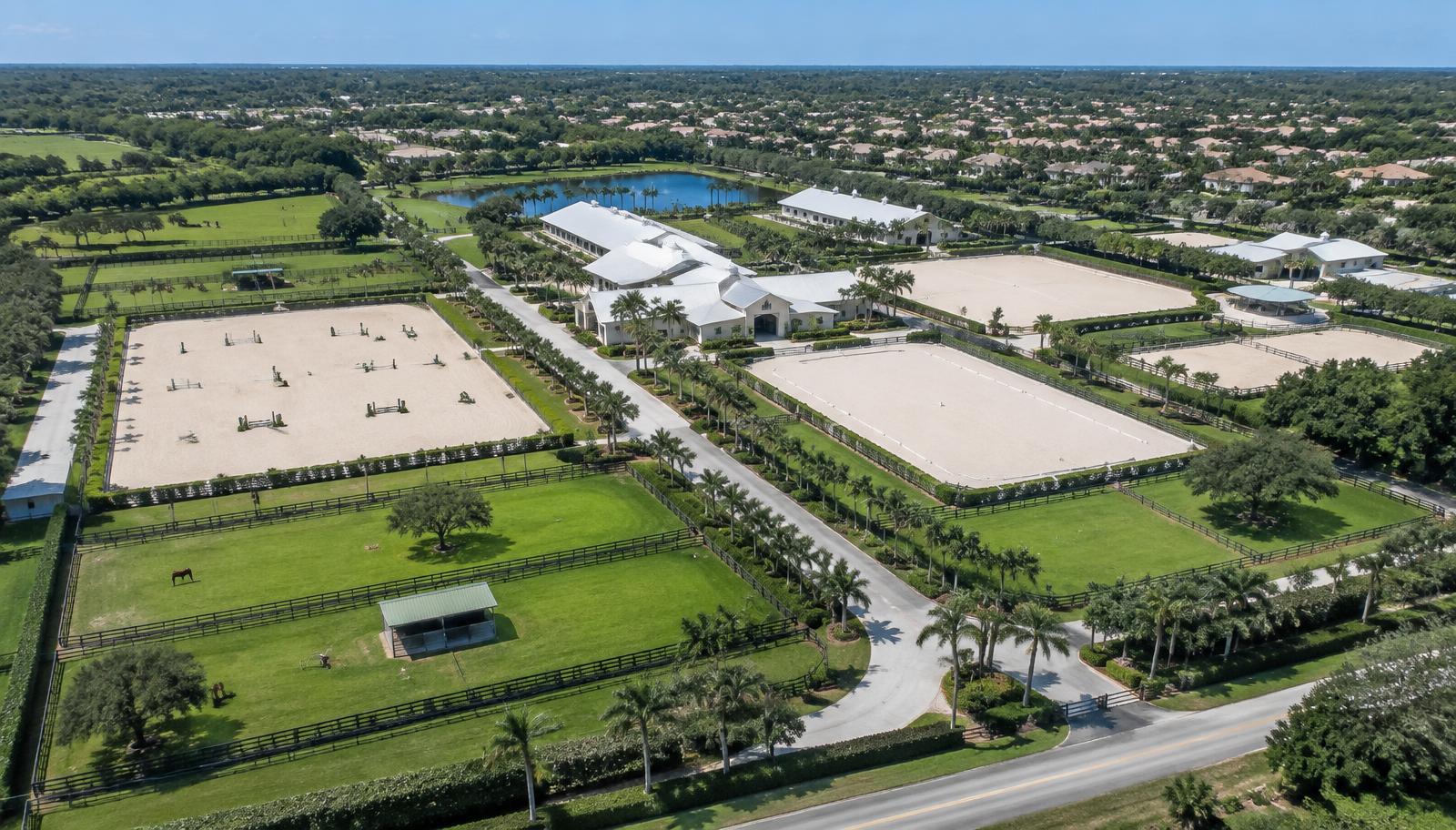
Spanning the western corridors of Palm Beach and Broward counties, communities like Wellington, Loxahatchee, and Southwest Ranches contain highly specialized equestrian and agricultural properties with unique operating, tax, zoning, and redevelopment considerations. For decades, owning a fifty acre equestrian training facility or a large agricultural nursery has offered legacy families operating cash flow and, where the land qualifies, the potential benefit of Florida's agricultural classification, often called the "greenbelt" law.
Operating a large agricultural footprint in South Florida today can be demanding. Owners may face surrounding development, rising insurance and maintenance costs for barns and covered arenas, and the ongoing effort of daily facility management. When a legacy family is ready to step back, understanding how institutional developers and corporate cash buyers underwrite "covered land plays" can help them pursue an off market exit without committing to a long rezoning contingency. Anyone looking to sell equestrian property in Wellington or the surrounding area should understand these dynamics before choosing a path.
The Localized Headwinds Squeezing Florida Landowners
Land values in many western South Florida markets have risen, but the carrying costs of operating a legacy equestrian or agricultural facility can compress Net Operating Income and wear on independent owners.
1. Urban Encroachment and Zoning Friction
Wellington and Loxahatchee were once largely rural. Today, many parcels sit near master planned residential communities and commercial retail centers. Increasing surrounding development can create operational friction for legacy agricultural uses, particularly around traffic, access, noise, and compatibility with nearby residential communities. Moving horse trailers on busier roads can be more difficult, and noise sensitivity from new neighbors can become a recurring issue as surrounding land uses change.
2. The Burden of Agricultural Exemption Compliance
Florida agricultural classification can materially affect taxable value for qualifying agricultural land, but eligibility depends on actual use, county review, statutory requirements, and annual application or documentation where applicable. Many owners of large acreage rely on this treatment to keep carrying costs manageable.
Classification is not guaranteed. County property appraisers review whether land remains in bona fide agricultural use, and changes such as scaling back a boarding operation or reducing an active nursery footprint may prompt a review depending on the facts. If classification is lost, the parcel may be assessed at a substantially higher value. Owners should verify requirements with the applicable county property appraiser and qualified tax and legal advisers.
3. Hurricane Liabilities on Massive Structures
A premium equestrian facility often requires substantial physical infrastructure: fifty stall CBS (concrete block structure) barns, covered riding arenas, and groom quarters. Large specialized structures can create meaningful insurance, maintenance, and replacement-cost exposure, especially where windstorm risk and aging improvements are involved. For an owner operating on thin margins, an unbudgeted roof replacement on a covered arena can absorb a significant share of operating profit.
How Institutional Capital Underwrites Covered Land Plays
Private equity developers, national homebuilders, and direct corporate cash buyers are among the agricultural land buyers in South Florida. Some institutional buyers may evaluate both current agricultural income and future redevelopment potential, depending on zoning, entitlement feasibility, infrastructure, holding period, and market demand.
A covered land play is a property where the existing use may generate interim income while an investor evaluates longer-term redevelopment or higher and better use. In covered land play commercial real estate, the current boarding or nursery operation may help offset holding costs and property taxes while the buyer studies what the land could become.
1. Future Development Density vs Current Zoning
Buyers often model the potential density of the land. As an illustrative hypothetical, a fifty acre equestrian facility zoned for one home per ten acres would support about five estate lots. If a buyer believed a future land-use change to one home per acre were achievable, it might model a scenario with up to fifty homes and weigh that upside in its pricing.
Buyers may model alternative density scenarios, but actual development rights depend on current zoning, future land-use designation, comprehensive-plan policy, environmental constraints, utilities, access, approvals, and market feasibility. Owners can review current land-use and zoning information through the Palm Beach County Planning Division.
2. Discounting the Entitlement Risk
Rezoning agricultural land in South Florida can be a lengthy, public process involving planning staff, county commissions, water management districts, and neighborhood input. Some projects take roughly twenty four to thirty six months, but entitlement timelines can range widely depending on jurisdiction, project scale, public hearings, environmental review, infrastructure, and requested land-use changes.
Because approval is uncertain and time has a cost, buyers generally discount future developed value for entitlement risk when estimating what the raw land is worth today. One simplified way to express that idea:
Raw Land Value = (Future Developed Value − Total Construction Costs) ÷ Risk-Adjusted Yield (Entitlement Timeline)
Simplified illustrative framework only. Actual land residual analysis varies by buyer and may also account for soft costs, financing, absorption, developer profit, and timing.
3. Environmental and Utility Feasibility
Buyers commonly commission their own surveys and civil engineering review rather than relying only on marketing materials. Depending on prior land use and redevelopment plans, buyers may evaluate environmental conditions, drainage, access, water, sewer, utility capacity, and infrastructure-extension costs. On former farming sites, that review may include testing for residual pesticides or arsenic where history warrants it.
If a parcel would need a costly sewer or water extension to support future development, a buyer may reflect that expected cost in its offer. As discussed in This Property Looked Like a Deal Until We Got There, what a site looks like on paper and what diligence finds can differ. See our due diligence guide and our article on selling commercial land in South Florida for more context.
Bypassing Escrow Delays with a Direct Cash Sale
When a legacy family decides to sell a large agricultural or equestrian property, the transaction structure can significantly affect speed and certainty.
Some development contracts contain entitlement, zoning, diligence, or approval contingencies. A buyer may place land under contract with closing conditioned on obtaining a rezoning, and these contingencies can lengthen closing timelines. If approval is denied or delayed, the contract terms may allow the buyer to terminate, leaving the owner to start over. As covered in Why Most Businesses Fail Before They Even Start, planning for the real risks up front matters.
A direct off market sale to an established corporate cash buyer is one alternative for owners who want to sell commercial property fast. Direct capital can reduce dependence on future entitlement approval as a closing condition, and some buyers will consider land in as is condition. Responsibility for environmental, zoning, and other liabilities depends on the transaction documents. A direct sale may avoid negotiated brokerage commissions and can support a faster or more defined closing timeline, while execution still depends on diligence, documentation, and agreed terms.
To evaluate how corporate buying groups may analyze your land's yield and future development density, test your figures in our interactive cap rate calculator. If you are ready to step back from maintaining large acreage and want a confidential corporate cash evaluation without waiting on a rezoning, Submit a Property to our direct acquisition team. For an in depth breakdown of private transactions, explore our master guide on selling commercial property off market.
Related Reading
This article is general educational information and does not constitute legal, tax, or zoning advice. Agricultural classification, zoning, and entitlement outcomes depend on current law, county review, and the facts of each property. Consult the applicable county property appraiser and qualified advisers before making decisions.